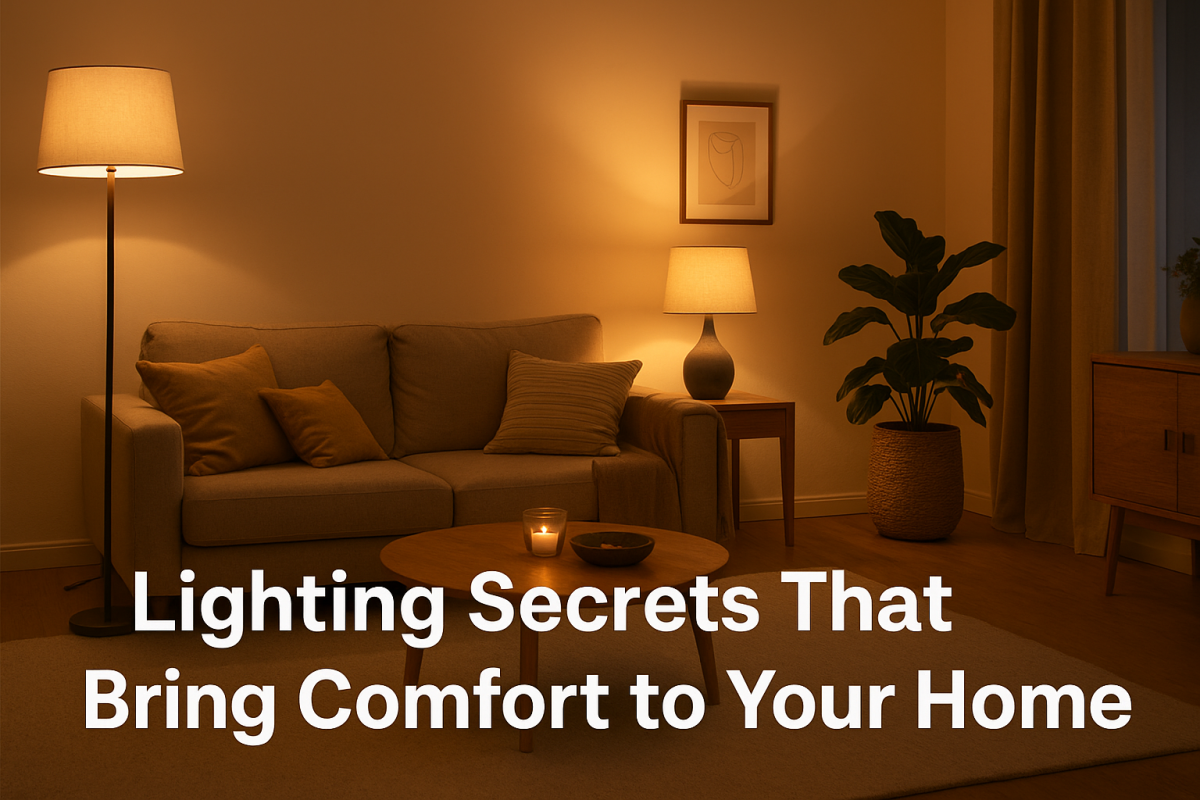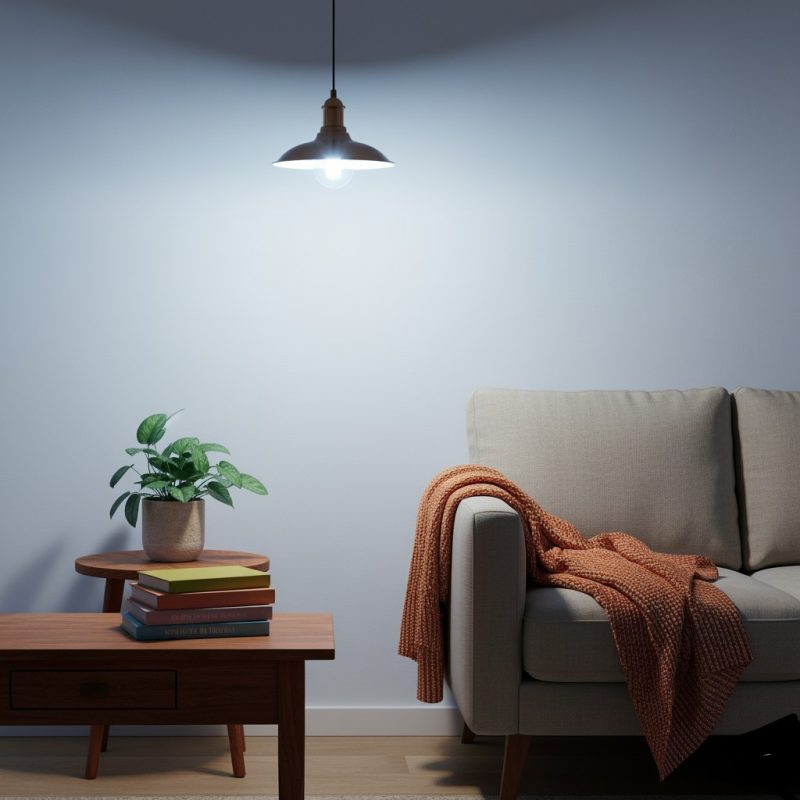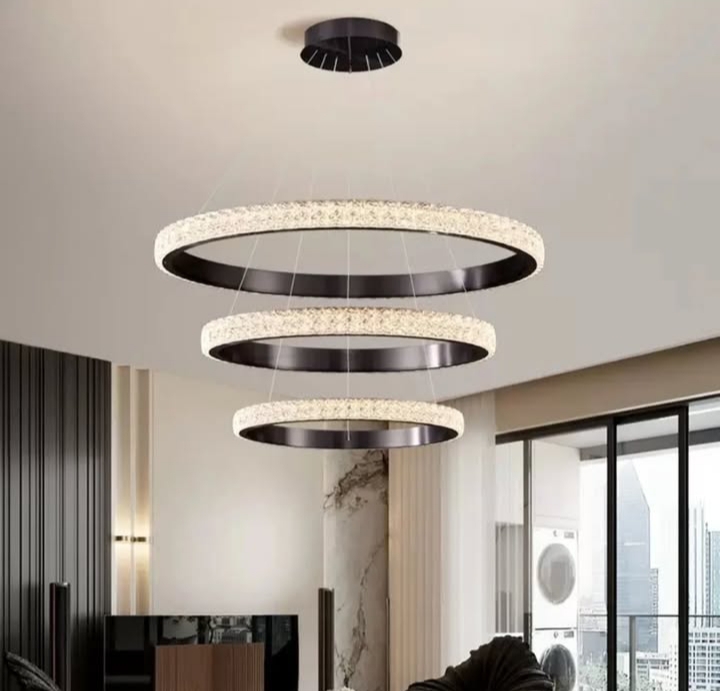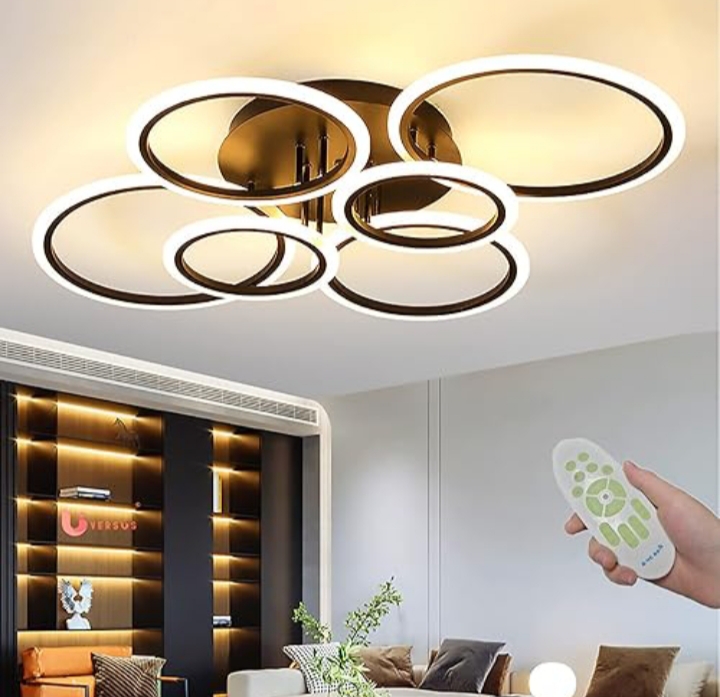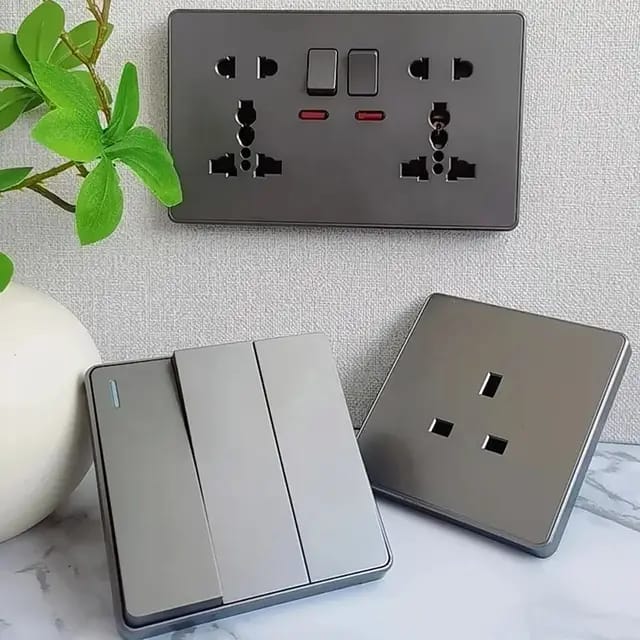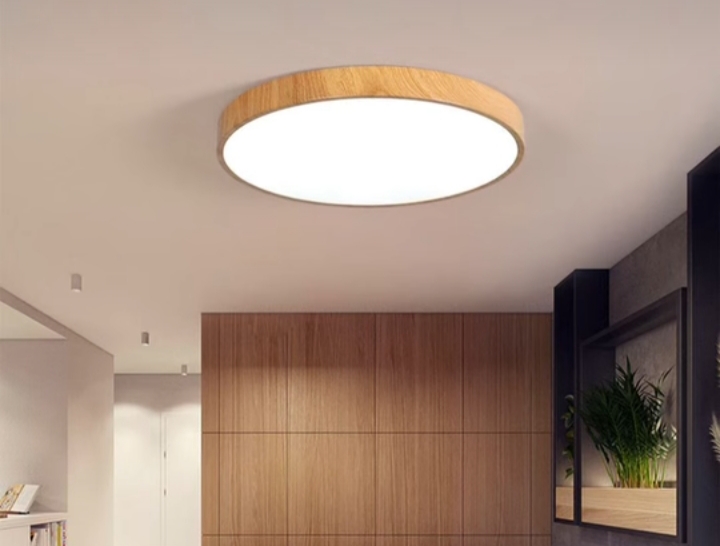


Lighting is more than illumination; it’s the architecture of ambience. A well-planned layout shapes how your home feels, functions, and even how spacious it appears.
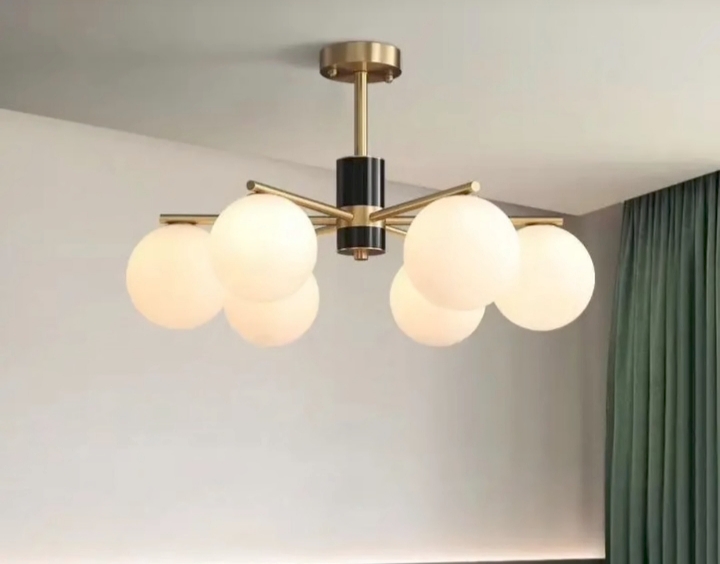
- Start with Layers — The Designer’s Golden Rule
A balanced lighting plan always includes three layers:
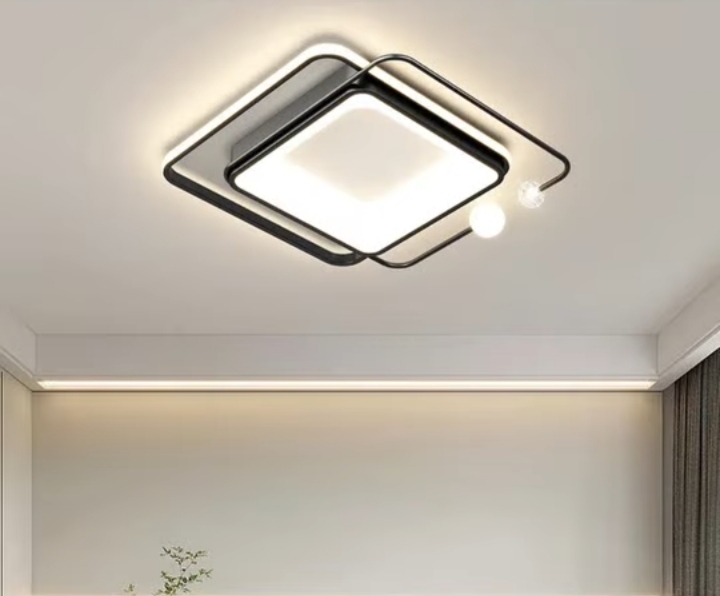
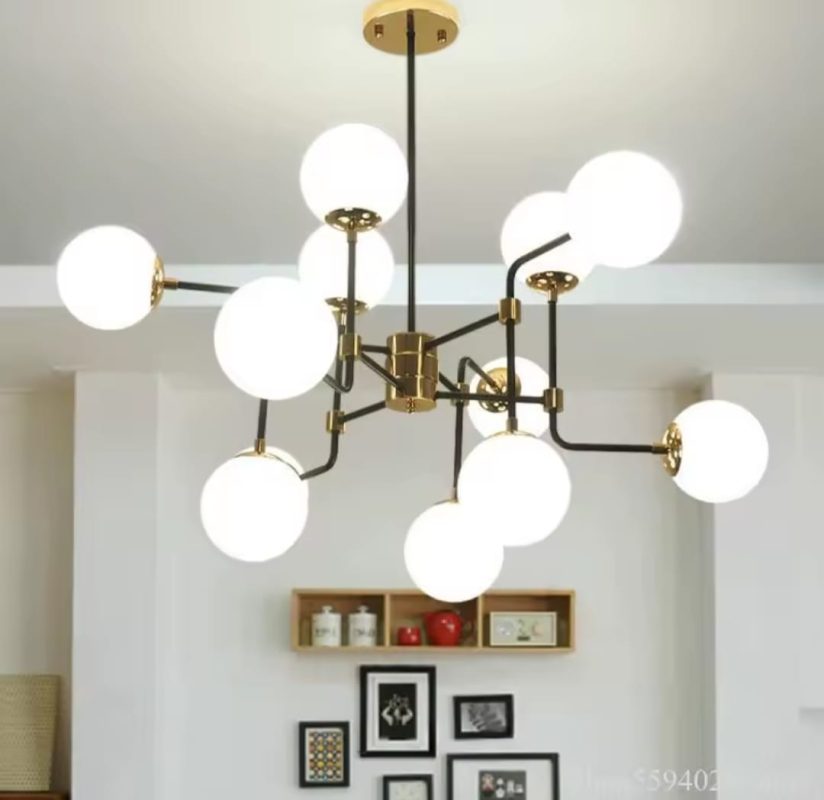
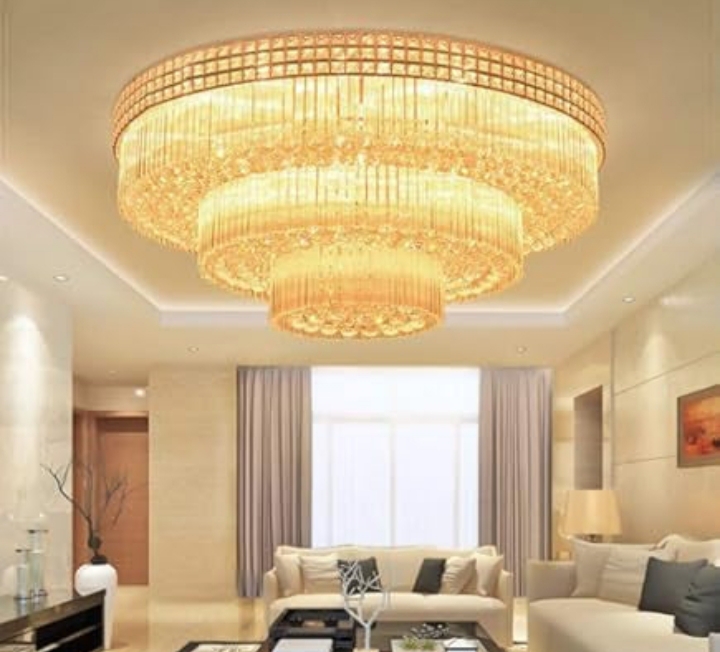
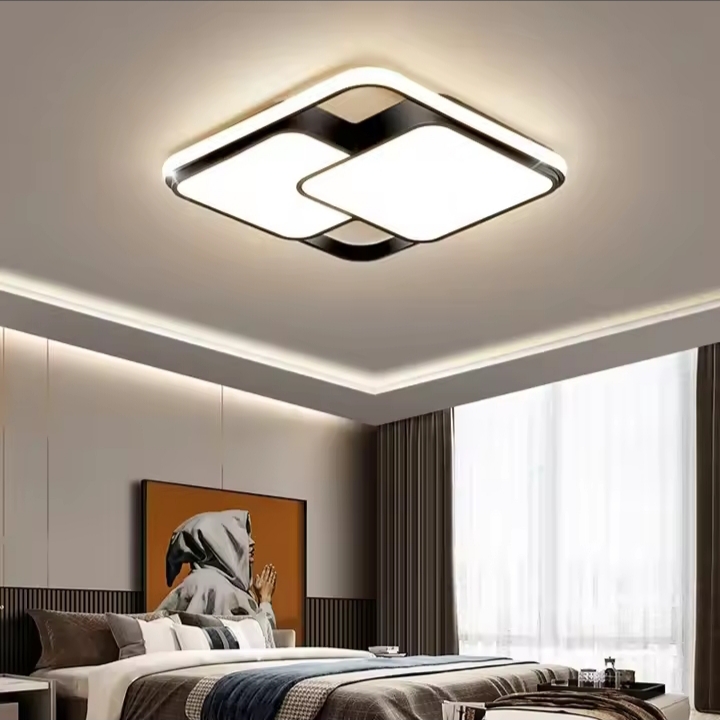
Ambient lighting: The overall illumination — chandeliers, ceiling lights, or recessed LEDs.
Task lighting: Focused light for specific functions — kitchen counters, reading nooks, or mirrors.
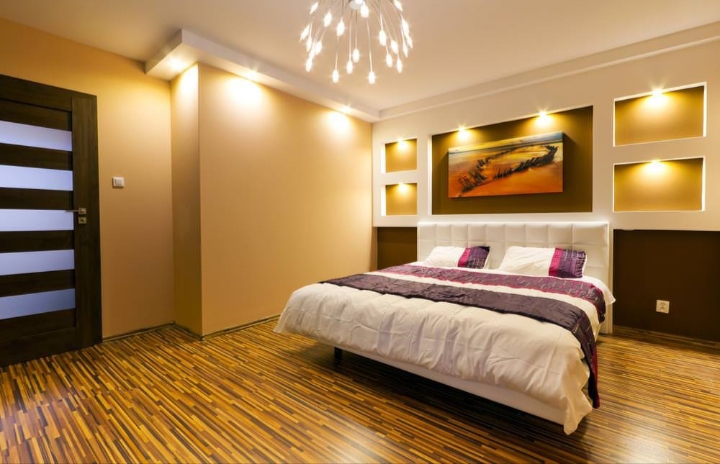
Accent lighting: Decorative light that highlights features — artwork, textures, or wall panels.
💡 Designer’s Insight: Combining these layers prevents flat, one-dimensional lighting. It gives your rooms warmth, depth, and character.

- Zone Your Light, Not Just Your Space
Think of your home as a series of light zones rather than rooms.
Each activity — cooking, relaxing, dining — deserves its own lighting treatment.
For example:
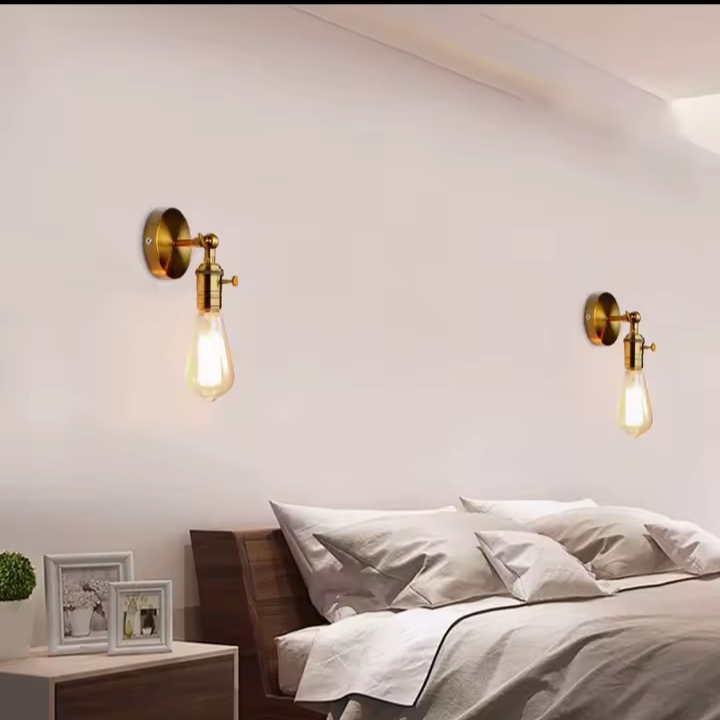
Living Room: Pair a statement chandelier with subtle wall sconces.
Kitchen: Install bright ceiling LEDs for prep zones and pendant lights over the island.
Bedroom: Use bedside pendants or sconces for calm, ambient glow.
🛋 Pro Tip: Add dimmers to your zones. You’ll gain control over mood and energy use with a single adjustment.
Discover Dimmable Lighting →
- Pay Attention to Height and Angle
The placement height of your lights affects both comfort and design flow:
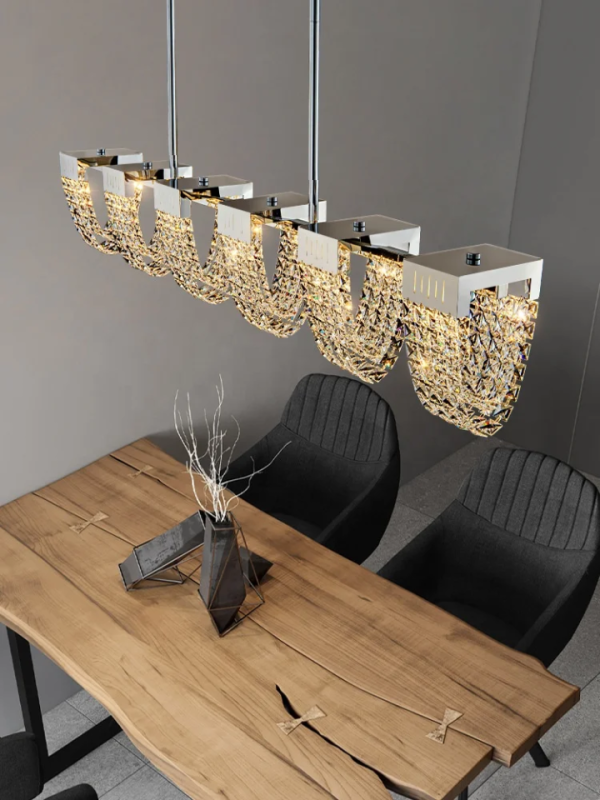
Pendant Lights: Hang 75–90 cm above tables or countertops.
Wall Sconces: Place around 150–170 cm from the floor for balanced eye level.
Floor Lamps: Should complement furniture height without glaring into the eyes.
🎯 Expert Note: Avoid placing lights directly overhead where they cast harsh shadows — especially in living or dining areas. Indirect or diffused lighting creates a softer, more elegant effect.
- Highlight What Matters Most
Lighting layout is also about directing attention.
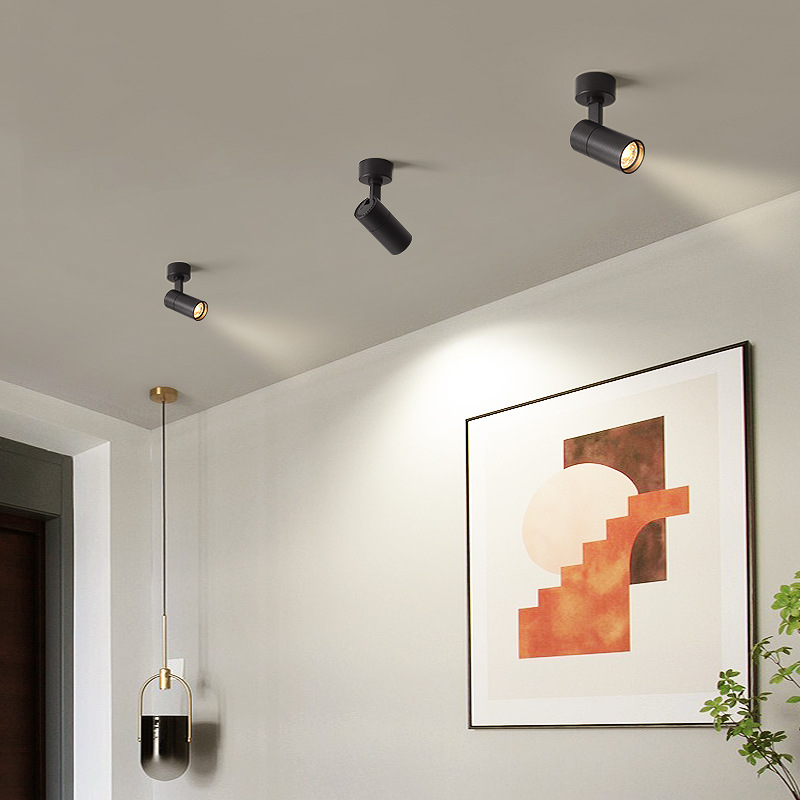
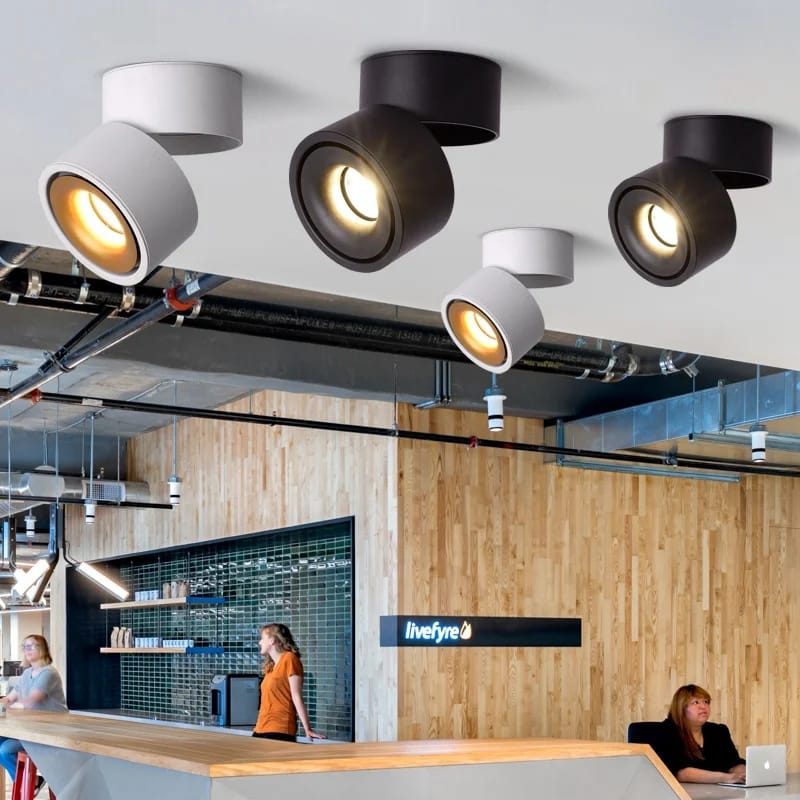
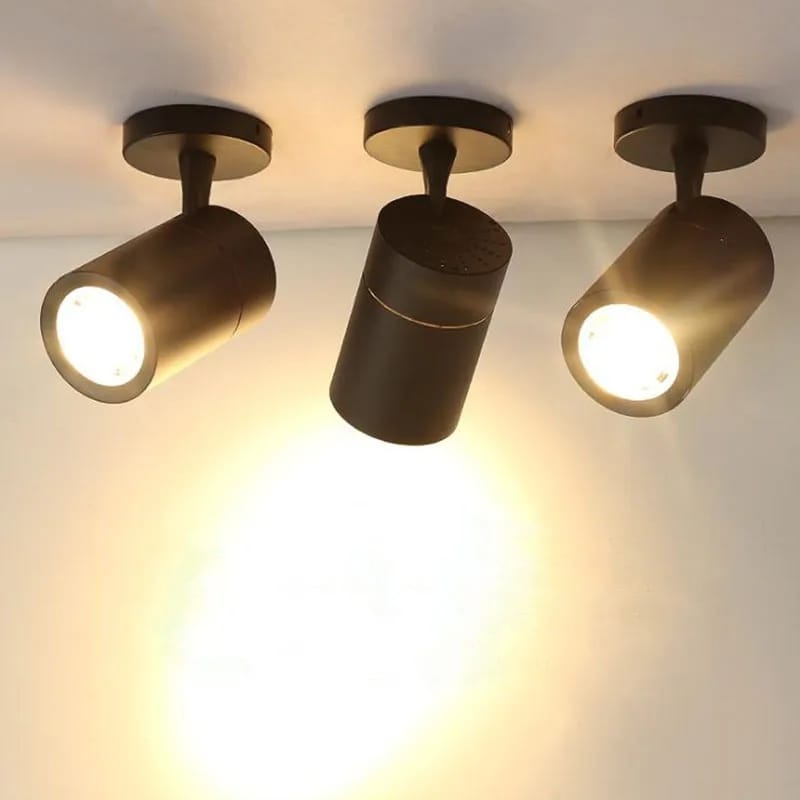
Use accent lighting to draw the eye to what makes your home special — art, textures, plants, or architectural niches.
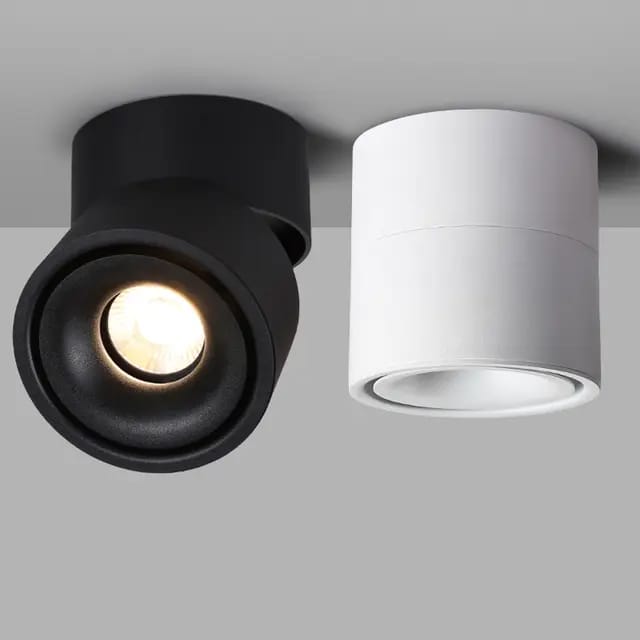
A simple LED strip or spotlight can turn an overlooked wall into a statement feature.
🌟 Pro Tip: In open spaces, aim accent lights toward vertical surfaces. It adds visual height and a sense of luxury.
Shop Accent Lighting →
- Don’t Forget Natural Light Integration
The best lighting layouts work with daylight, not against it.
Observe how sunlight moves through your home, then position fixtures to enhance or balance that natural flow.
In darker corners, supplement with soft-glow LED lamps that maintain the room’s rhythm even after sunset.
- Use Consistent Color Temperature
Mixing light colors can unintentionally distort your décor.
Stick to a consistent color temperature for each area:
Warm white (2700K–3000K) for cozy lounges and bedrooms.
Neutral white (3500K–4000K) for kitchens and bathrooms.
Cool white (5000K+) for offices or task zones.
🎨 Designer’s Note: Consistency creates flow and makes your home feel cohesive — like a professional design project.
- Outdoor Layouts: Extend the Glow
Your home’s exterior deserves the same attention as its interior.
Strategic lighting outside enhances security and style.
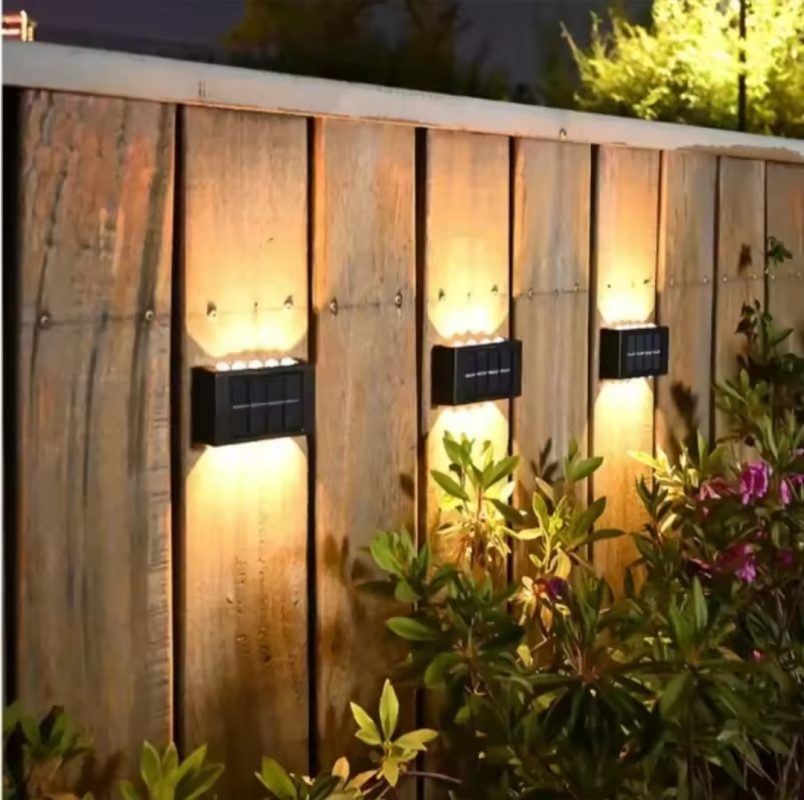
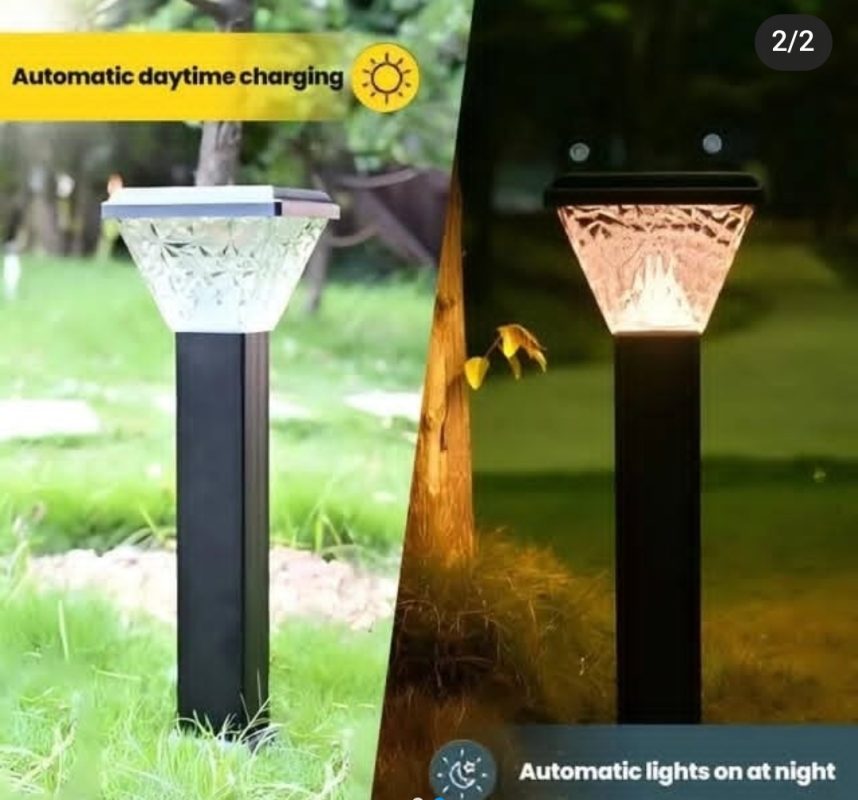
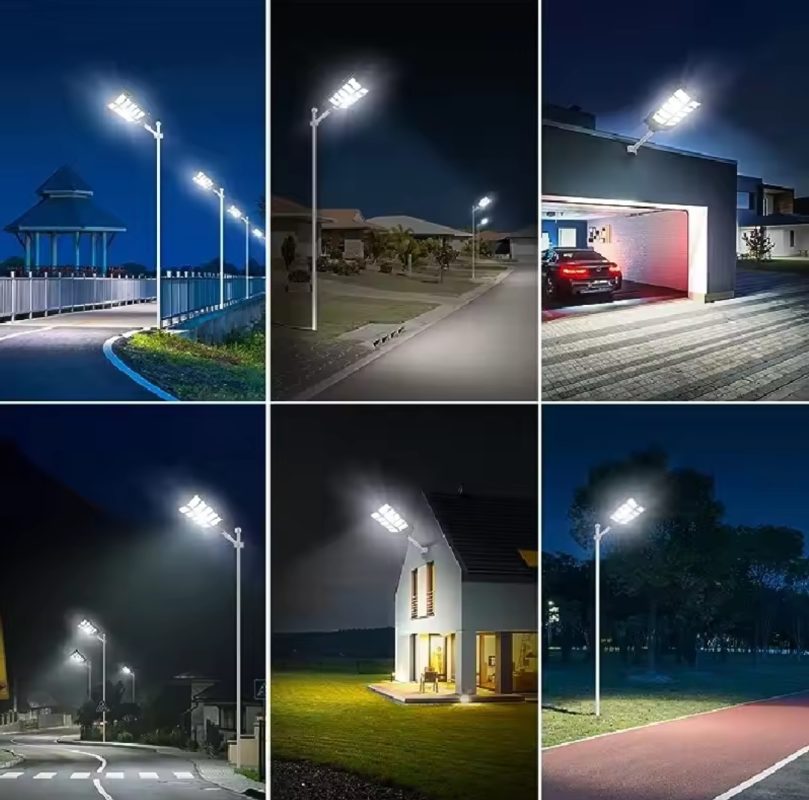
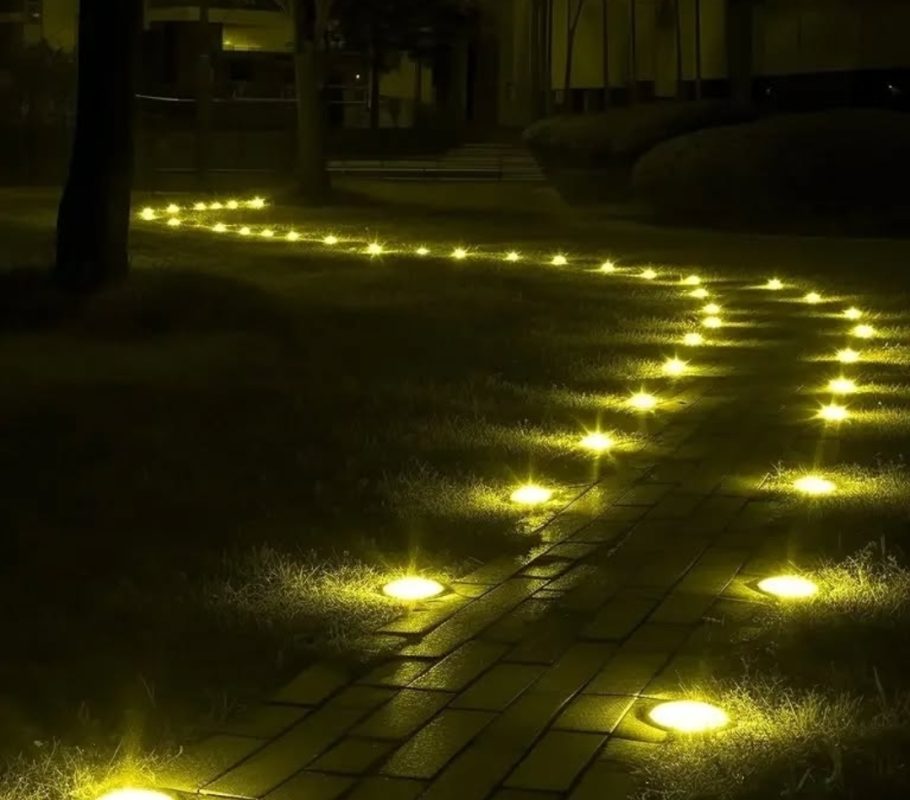
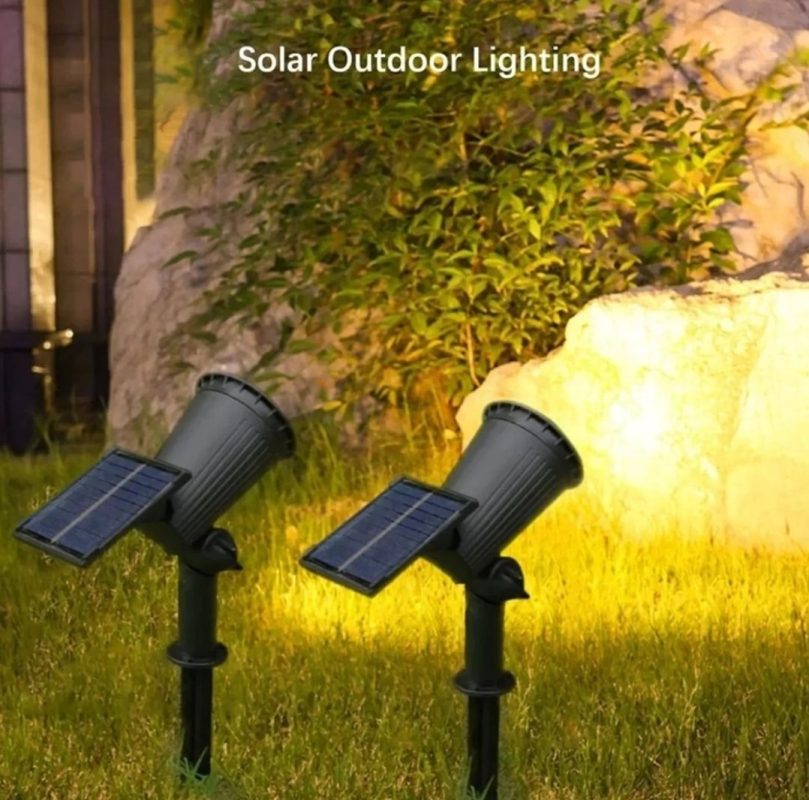
Use pillar lights, wall-mounted LEDs, and path lighting to create gentle illumination without glare.
🌙 Pro Tip: Choose waterproof, energy-efficient outdoor fixtures that complement your architecture.
Discover Outdoor Lighting Collections →
Plan Light Like a Designer
A great home lighting layout isn’t accidental — it’s intentional design.
Every bulb, angle, and layer contributes to comfort, function, and personality.
At Tushop Lighting, our design team helps homeowners like you bring light to life — beautifully balanced and perfectly placed.
🛒 Ready to transform your home with a professional lighting layout?
Let our experts guide you to fixtures that fit your space and vision.
👉 Start Designing with Tushop Lighting